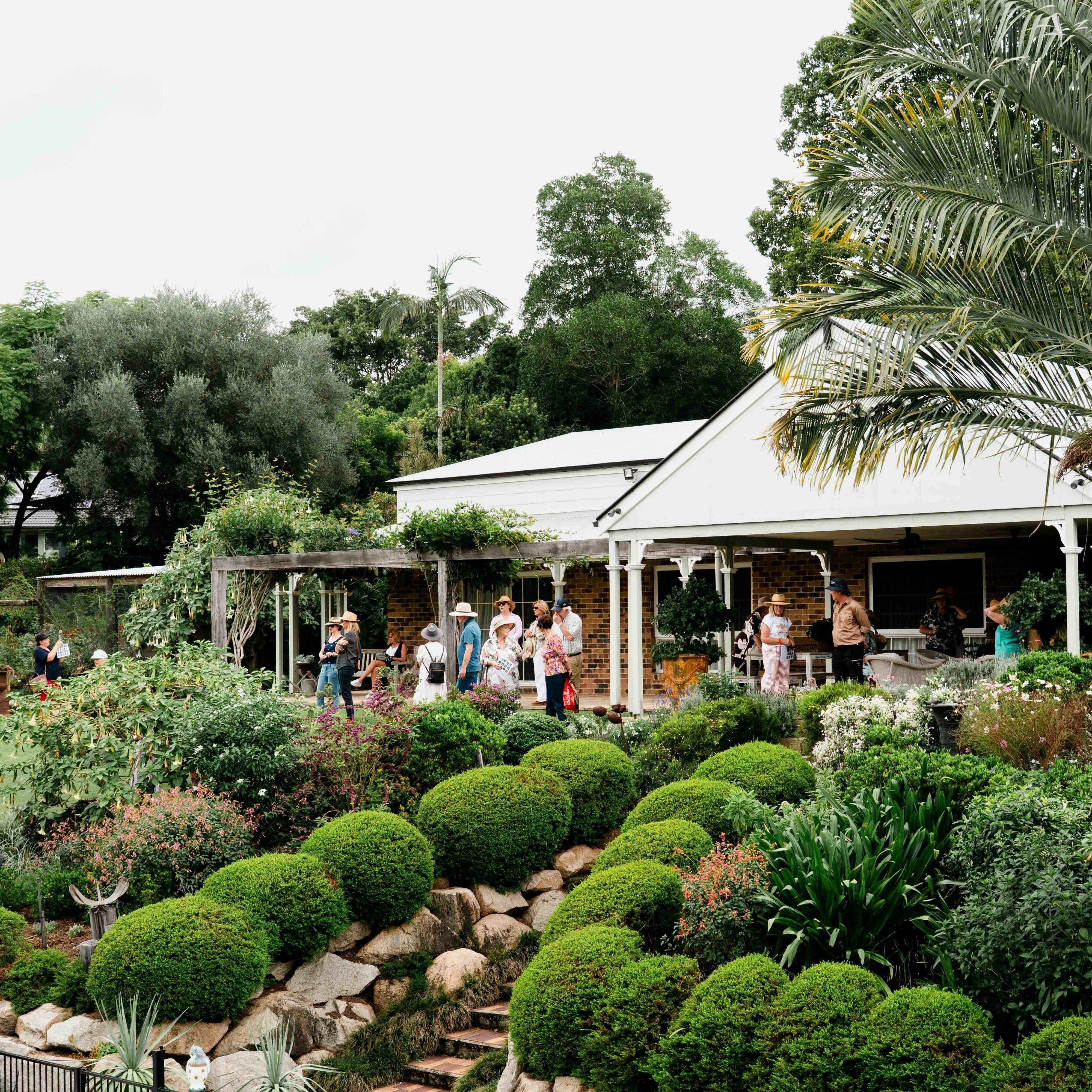



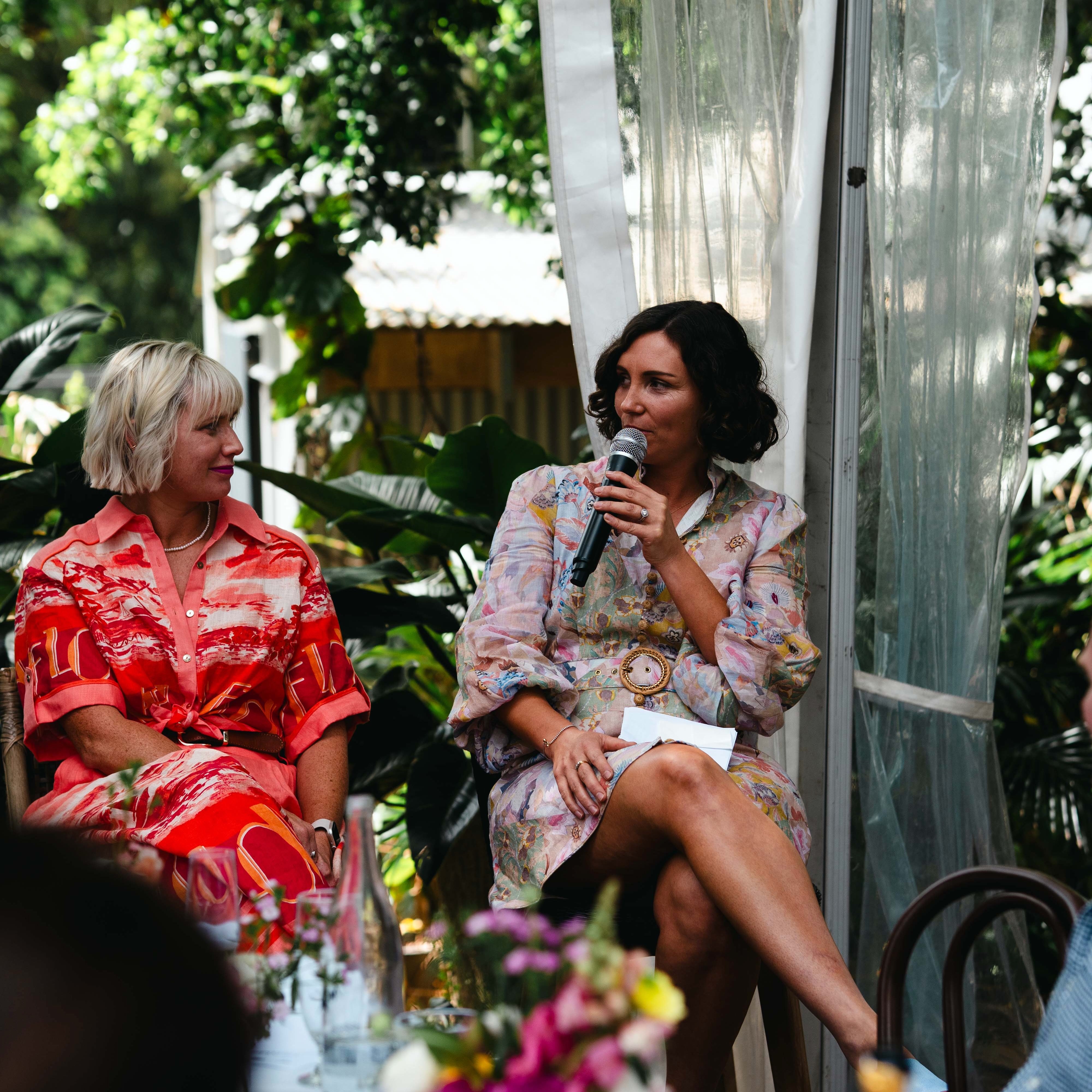


Our winter 2026 Makers & Creatives event brought two of Australia’s most thoughtful garden voices together for a lively, generous conversation about plants, place and the joy of letting a garden evolve. On Wednesday 22 July, we welcomed acclaimed designer and author Tim Pilgrim alongside horticulturist, designer and broadcaster Michael McCoy for a winter evening that felt exactly as it should: warm, relaxed and full of ideas worth taking home.

With bubbles and canapés to begin, followed by a seasonal dinner from the Wild Canary team, guests settled in for a conversation that moved easily between design philosophy, practical planting advice and the stories that shape a gardener’s eye.
Tim Pilgrim: A Garden Path with Many Turns
Based in Central Victoria, Tim is known for richly layered, naturalistic gardens that weave ornamental and edible planting together with texture, repetition and seasonality. His first book, Wild by Design, has resonated widely for the way it makes naturalistic planting feel both inspiring and achievable.
Tim’s route into garden design was anything but linear. He spoke about beginning in a nursery, joining the grounds team at Scotch College, and even mowing the lawns at Wimbledon. Later, a role with the Diggers Club became what he described as a “horticultural apprenticeship”—an immersion in nurseries, edible gardens, cottage borders, workshops and the daily practice of pulling plantings apart and putting them back together.

Eventually, his maintenance work grew into design, and then into the immersive gardens he is known for today. One idea surfaced again and again: gardeners are always designing, even when they are simply editing, moving or removing a plant.
“Gardeners are always designing — even when they’re just shifting a plant.”
What Makes a Garden Feel Alive?
For Tim, the answer begins with rhythm. He starts with reliable evergreen anchors, then builds repetition through groups or blocks of plants. The size of those groups changes with the scale of the garden — threes in a small courtyard, broad drifts in a larger landscape — but the aim is the same: balance, movement and a clear visual thread.
He encouraged us to look beyond flowers and consider a garden almost in black and white. Strong verticals, soft mounds, domes, airy grasses and bold foliage all have a part to play. Flowers are wonderful, of course, but form and personality are what keep a garden interesting across the seasons.
Through Tim sharing seasonal photographs of one of his projects; from its quiet winter structure to the colour and movement of spring and autumn, we were reminded not to rush a garden through its resting moments. There is beauty in seed heads, fading grasses and bare structure.
“Don’t rush a garden through its resting moments, they’re part of the story.”
Gravel, Resilience and Rethinking the Rules
One of the evening’s most fascinating topics was Tim’s experimentation with planting into gravel. Years of extreme wet followed by intense dry pushed him to reconsider the usual approach of enriching soil heavily with organic matter.
His trials with mineral mulches and deep gravel layers have helped protect plants from waterlogging, retain moisture in dry weather and reduce weed pressure. It’s a method that asks gardeners to unlearn a few familiar habits — and both speakers were clearly energised by the possibilities.
For Brisbane gardeners, the conversation sparked plenty of questions. Our subtropical climate brings a different palette and set of challenges, but the principles still travel well: use strong contrasts, choose plants that genuinely work, give planting enough room, and design with the realities of the site rather than against them.
Managing, Not Simply Maintaining
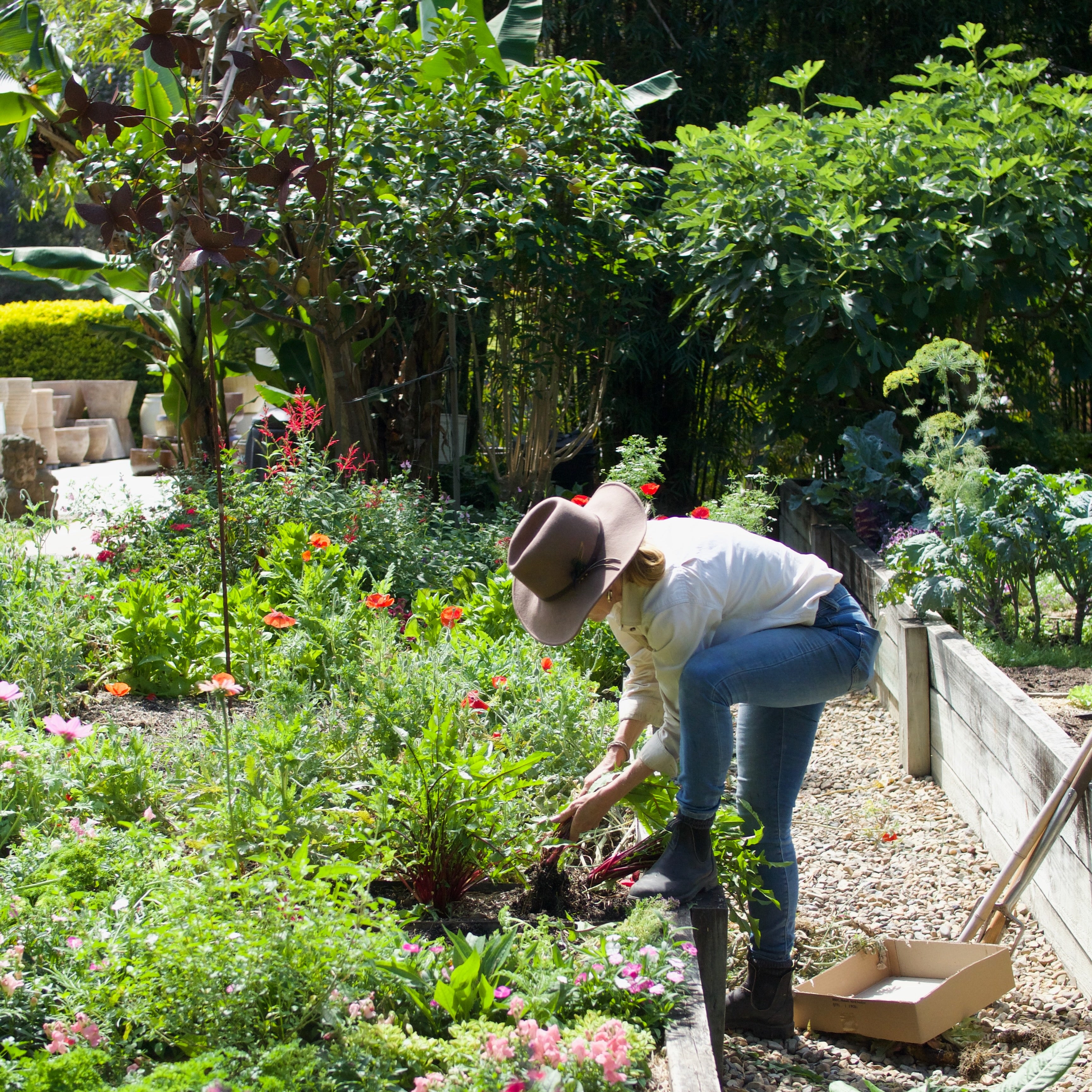
Perhaps the loveliest idea of the evening was Tim’s distinction between maintaining a garden and managing it. Maintenance returns a garden to a fixed state; management means steering, editing and responding as plants grow, spread and change.
That begins with an honest conversation about who will care for the garden and how much time they want to spend in it. A garden should bring pleasure, not become a burden. Over time, plants may need to be divided, reined in, shifted or replaced — and those decisions are not failures, but part of the design.
Michael captured it beautifully: the designer’s role is increasingly to set an evolution in motion, then help guide it rather than dictate a final, static result.
“A garden is never finished — it’s something you guide, not control.”
A Few Ideas to Take Home
Begin with structure — evergreen anchors and strong forms give rhythm all year.
Repeat with confidence — groups of the same plant create balance and lead the eye.
Think in layers — deeper beds allow more texture, movement and seasonal change.
Choose hardworking plants — reliability used well is more powerful than rarity used poorly.
"Leave room for change, observe and enjoy the garden as it develops its own character."
Evenings like this remind us why gardens matter: they connect us, keep us curious and always make room for one more plant.